Climate change is one of the most urgent challenges of our time, affecting ecosystems, economies, and communities across the globe. Its impacts—rising temperatures, extreme weather events, water scarcity, and loss of biodiversity—are already being felt and disproportionately affect the most vulnerable populations.
Addressing the climate crisis requires collective action, innovative solutions, and a deep commitment to environmental justice. Every step toward sustainability contributes to a healthier, more resilient planet for future generations.
Climate matters because it shapes every aspect of life—from the air we breathe to the food we grow—and because the window to act is rapidly closing.🌱
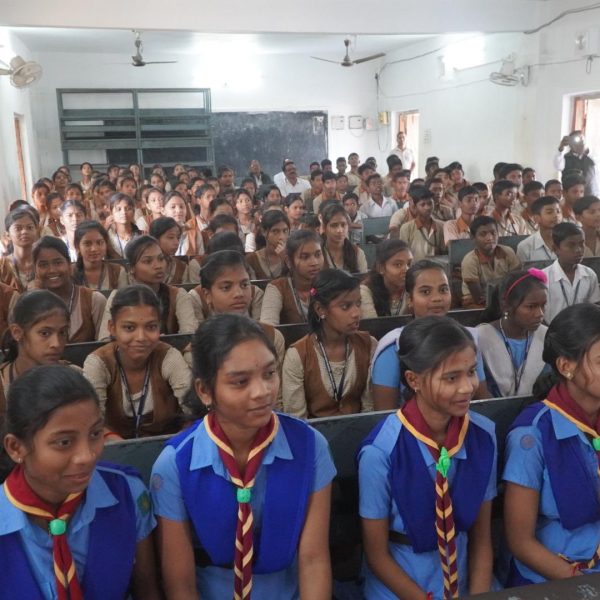
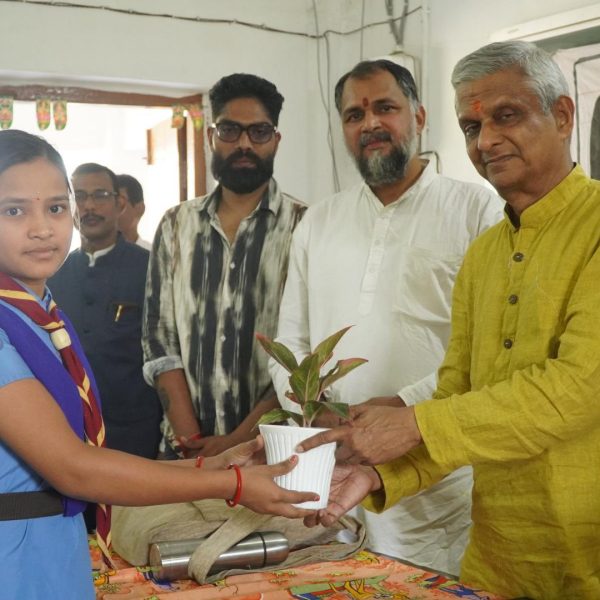
It was a meaningful and enriching interaction with the students and faculty of B.M. High School, Jarada, in Angul district, centred on the growing challenge of plastic pollution and the need for sustainable everyday practices.
The students demonstrated an impressive awareness of the harmful impacts of plastic waste and spoke about the school’s long-standing commitment to maintaining a plastic-free campus. A particularly inspiring highlight was an innovative waste bin made from plastic bricks, conceptualised and used by the students within the school premises—an example of practical, solution-driven environmental action at the grassroots level.
The dedication of the school’s Principal and faculty members to environmental education was clearly reflected in the students’ informed views and positive attitude towards key environmental concerns.
Heartfelt thanks to Team Sathee Parivar and Siddharth Pradhan for facilitating this interaction. Gratitude is also extended to the Principal, faculty members, and the enthusiastic students of B.M. High School for their warm participation. Special thanks to Subrat Kumar Pradhan and Sushanta Tripathy for their cooperation and support.
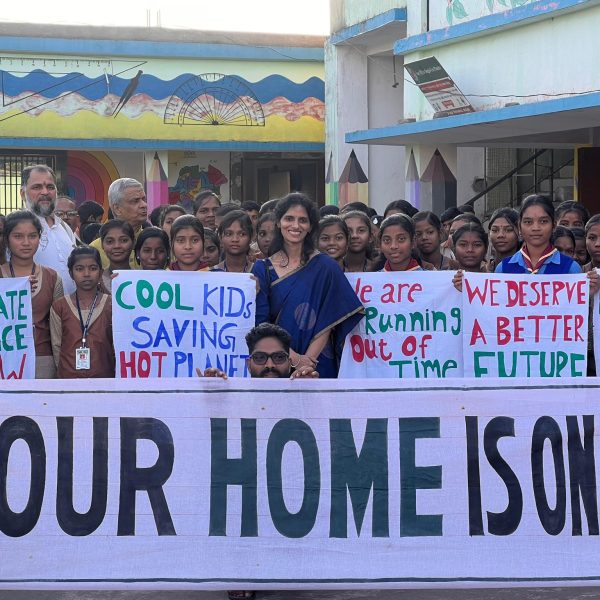
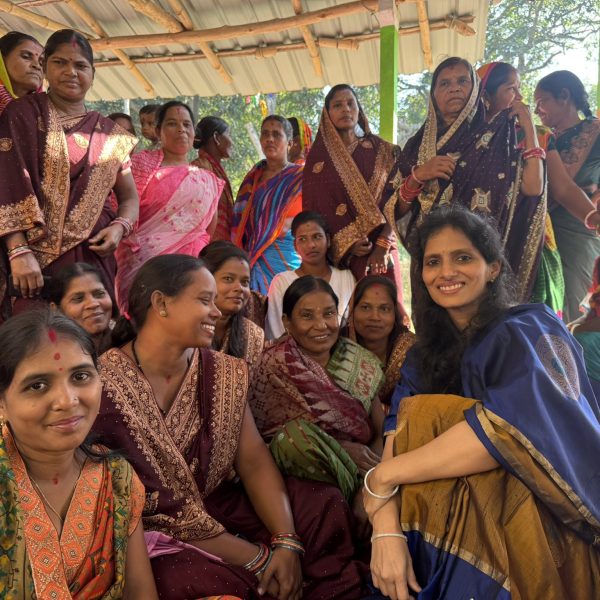
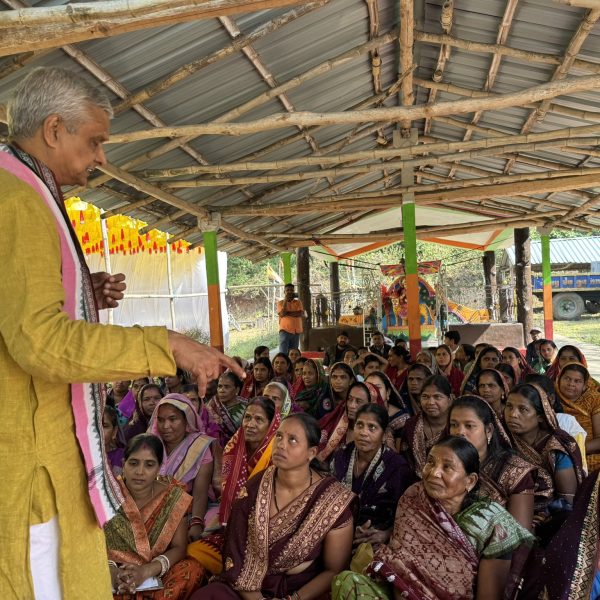
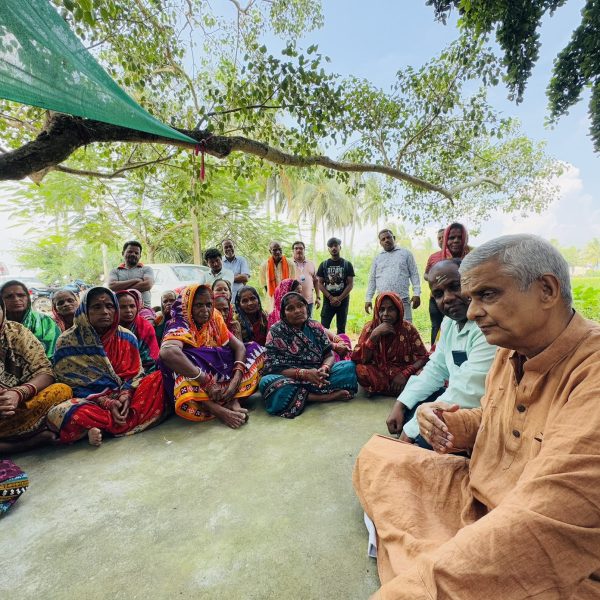
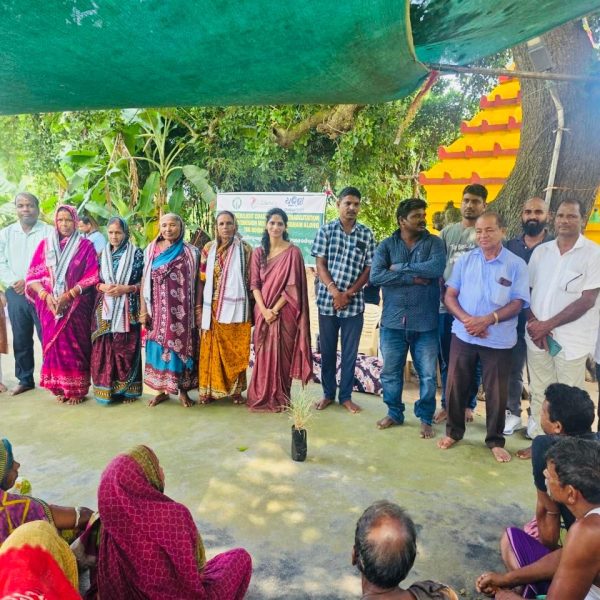
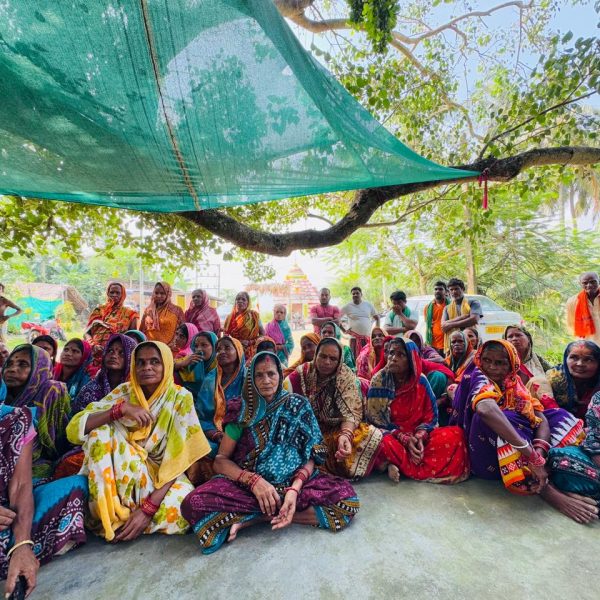
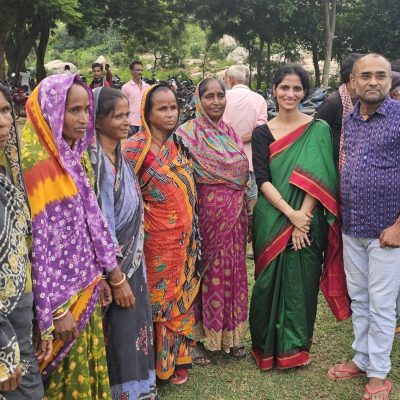
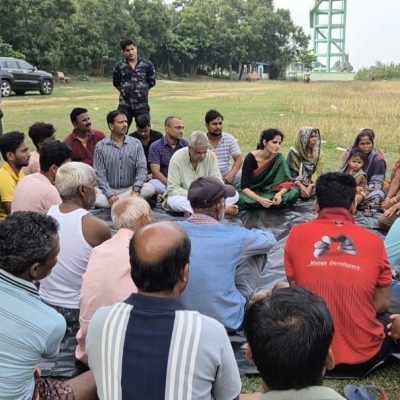
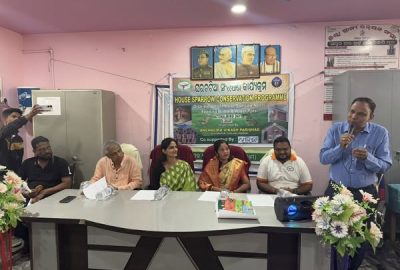
Women of Rautala village under Sana Hinsar Gram Panchayat in Angul district came together to pledge their commitment to keeping their village clean and plastic-free during a unique community interaction programme organised by Sathee Parivar.
The interaction created a vibrant space for meaningful discussions on environmental concerns, sustainable living, and the role of communities in protecting their surroundings. The programme was attended by Dharitri Editor Tathagata Satpathy, CEO Adyasha Satpathy, Sathee Parivar President Siddharth Pradhan, Village President Niranjan Babu, along with local community members who actively participated in the dialogue.
Sathee Parivar representatives, including Subrat Pradhan and Sushanta Tripathy, were also present, reinforcing the importance of collective responsibility and grassroots-led action in addressing environmental challenges and building resilient, eco-conscious communities.

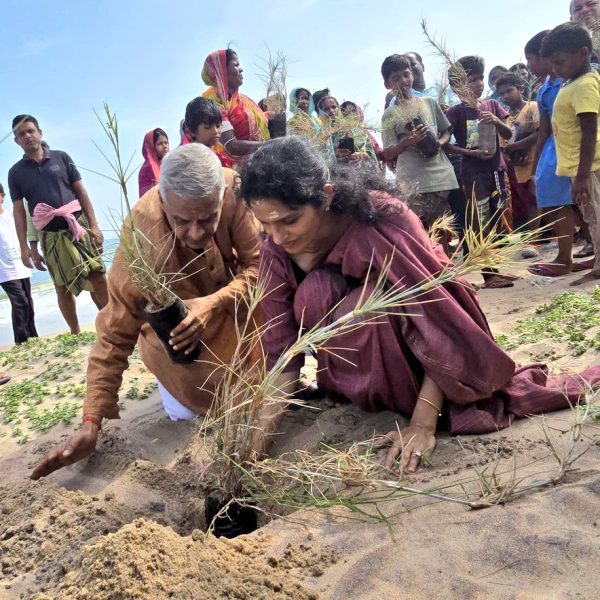
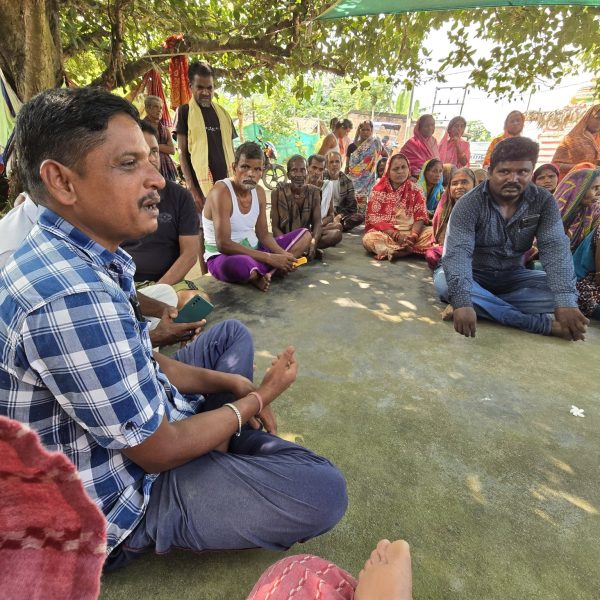
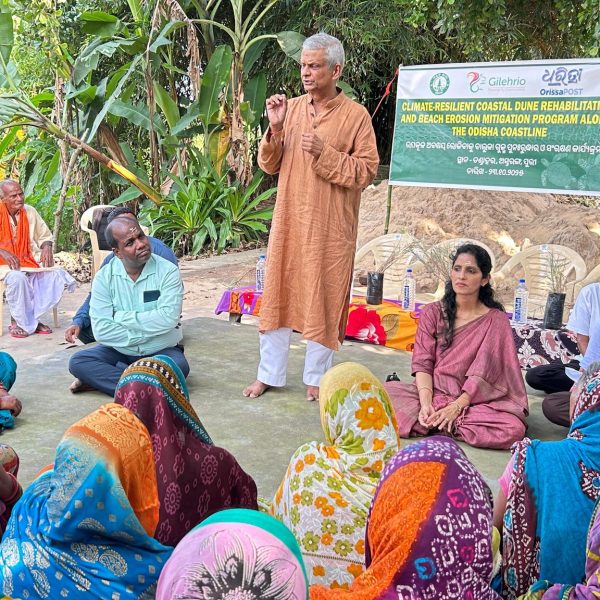
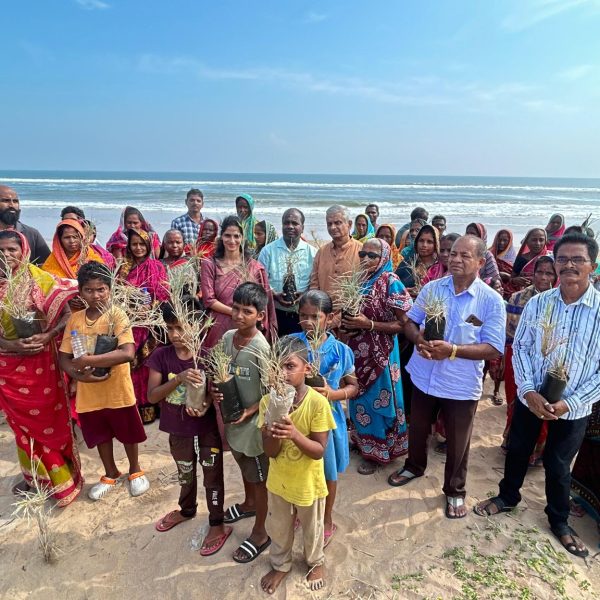
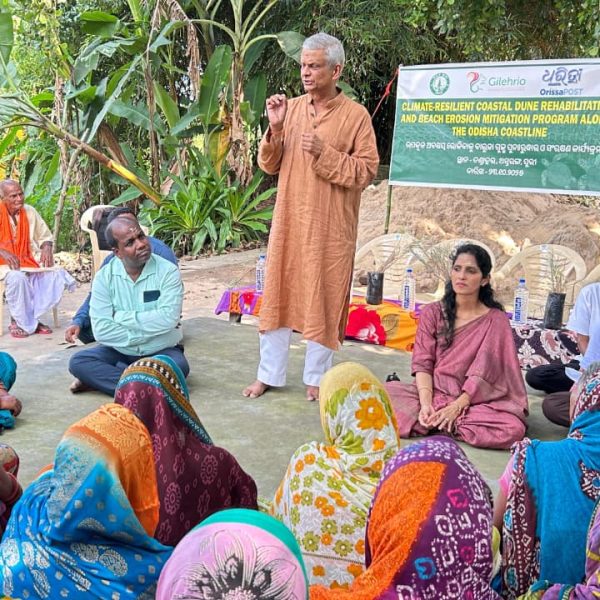
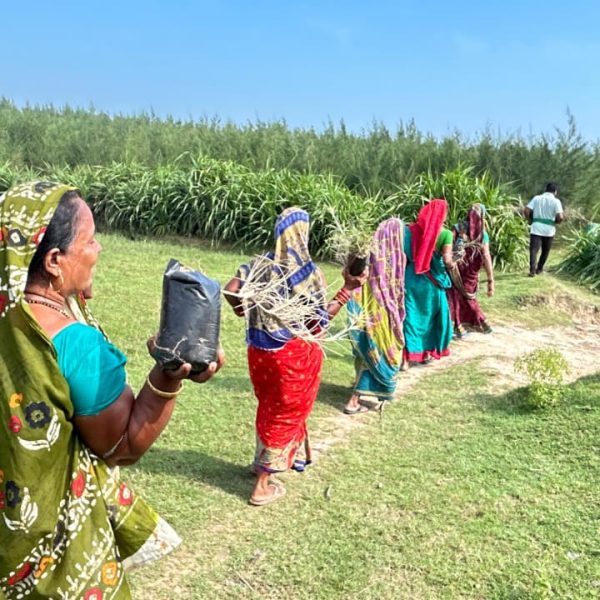
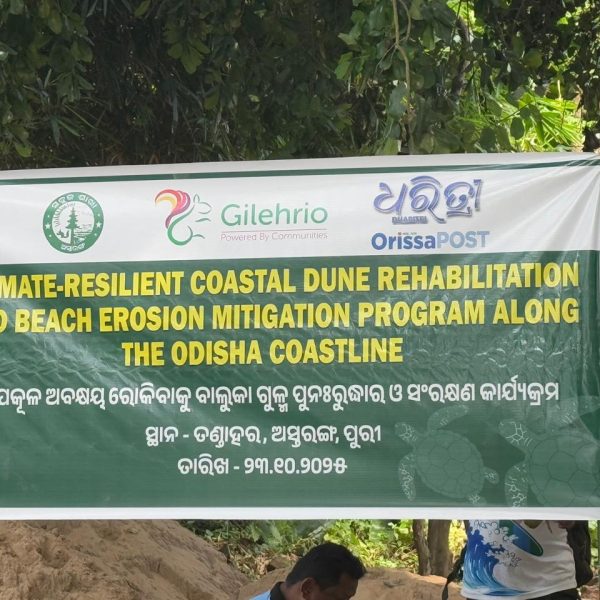
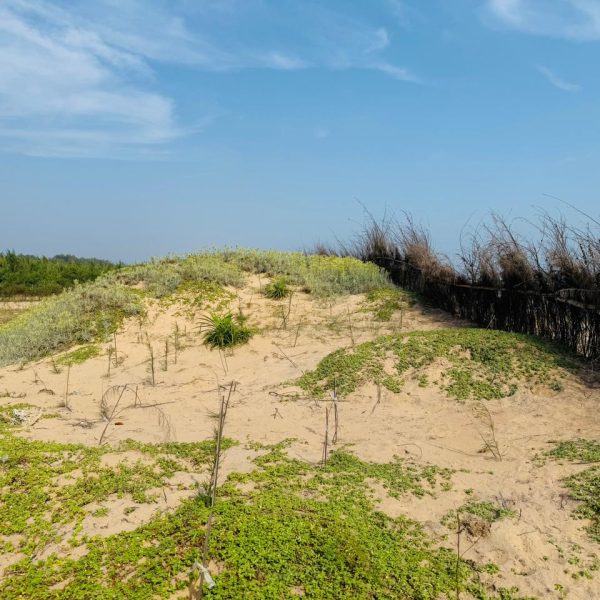
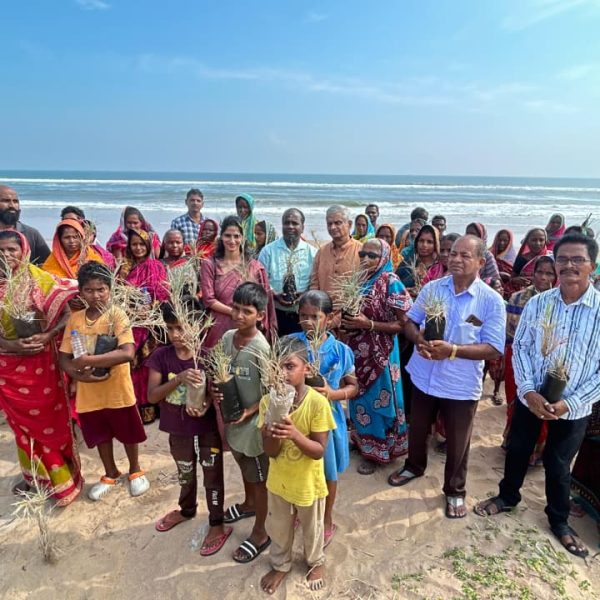
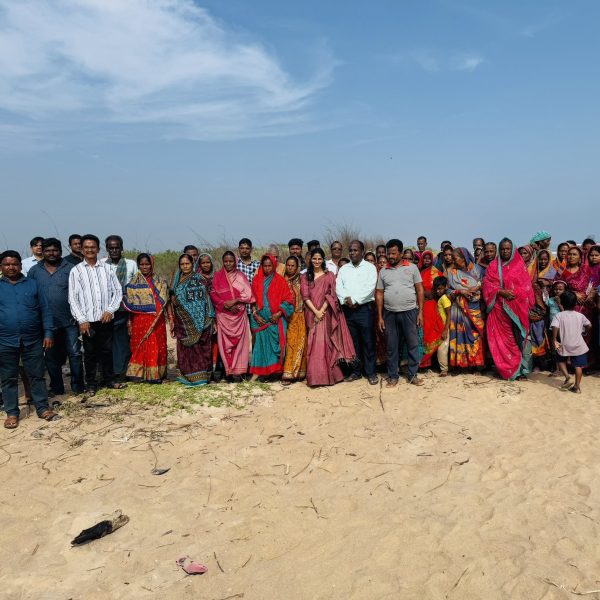
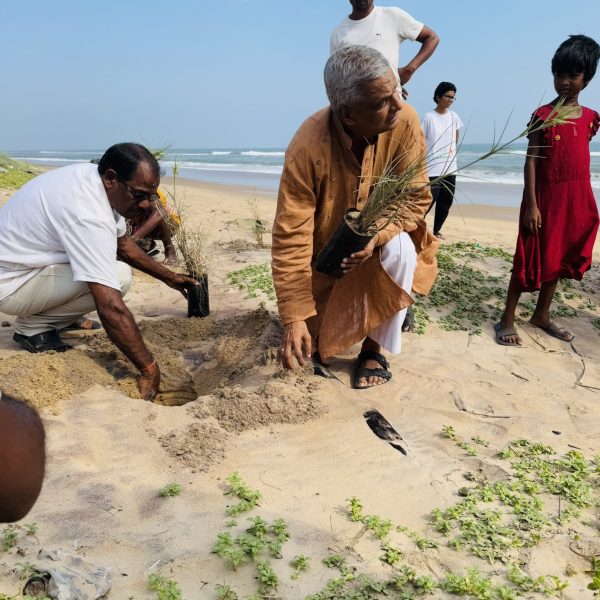
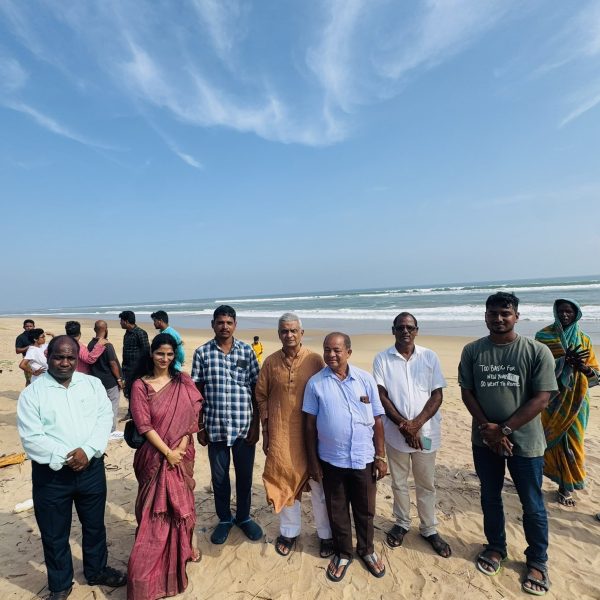
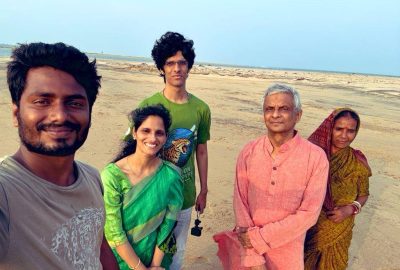
In a remarkable display of collective action, residents of Tandahar village under Astaranga block, Puri, have launched a large-scale community initiative to restore coastal sand dunes and combat sea erosion threatening their homes and farmlands.
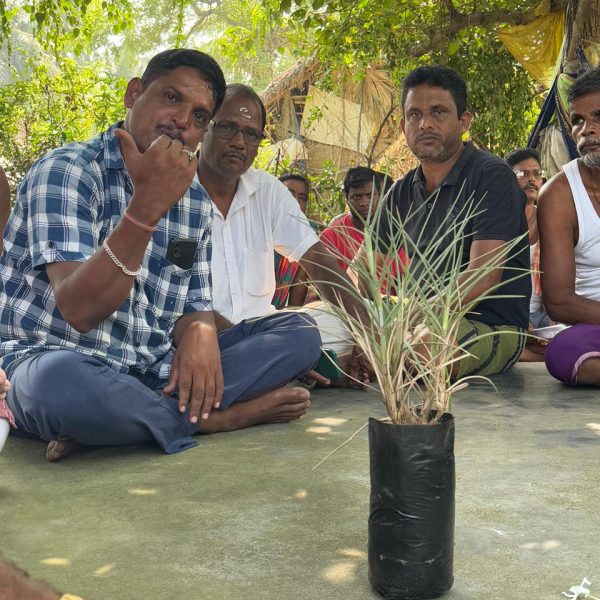
Led by Bichitrananda Biswal, recipient of the Biju Patnaik Wildlife Conservation Award, and supported by environmental groups ‘Gilehrio’ and ‘Sabuja Sakha Astaranga’, the drive focuses on planting Spinifex grass, a native species that binds sand and naturally forms dunes. The project aims to revive nearly five kilometres of coastline, offering a sustainable, low-cost shield against sea intrusion.
At the launch event, Tathagata Satpathy, Editor of Dharitri and Orissa POST, hailed it as “a people-centred approach to adaptation,” while Adyasha Satpathy, CEO of Dharitri and Orissa POST, emphasised the role of women’s leadership in ensuring continuity and care in restoration.
Experts praised the Tandahar model as a powerful example of nature-based, community-led coastal protection that strengthens both ecology and livelihoods.
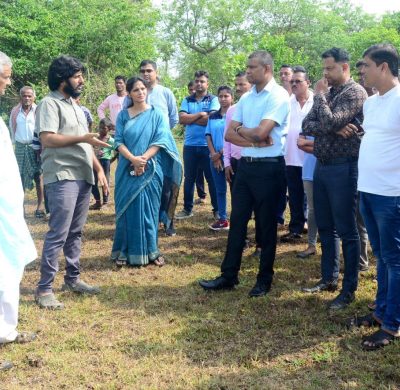
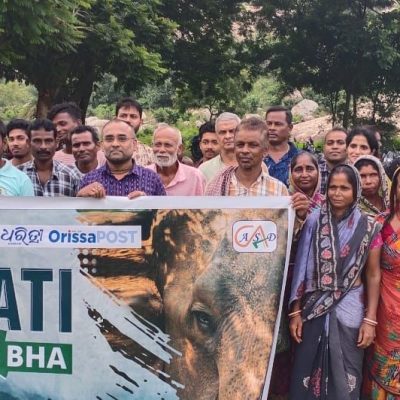
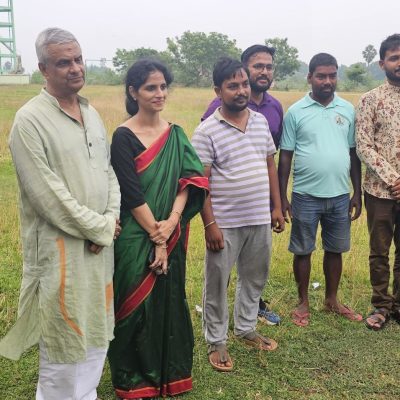
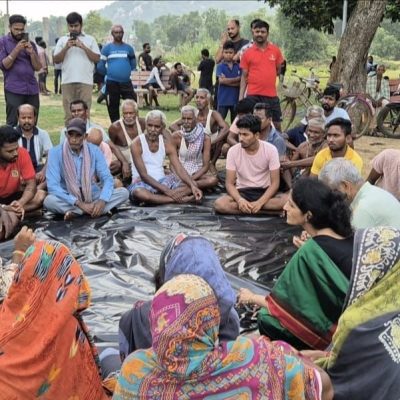
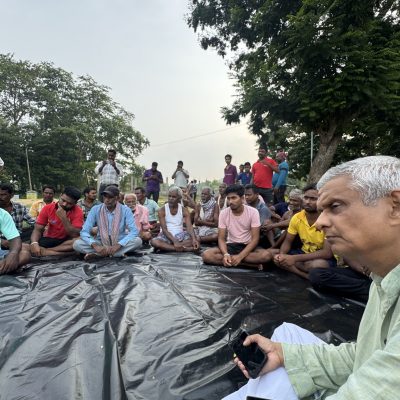
Ms. Adyasha Satpathy, CEO, and Mr. Tathagata Satpathy, Editor of Dharitri and Orissa POST, participated in the Hati Sabha—a community dialogue on human-elephant conflict—organized in collaboration with Bikash Saathi and led by Dr. Biswajeet Panda.
Held in the high-conflict zone of Guhalia village, the event created a vital space for local residents to share their lived experiences and challenges of coexisting with elephants. The dialogue focused on practical, community-driven strategies to reduce conflict and foster peaceful coexistence.
This initiative forms a key part of ongoing climate and biodiversity action, recognizing the intricate link between wildlife conservation, community resilience, and sustainable development.
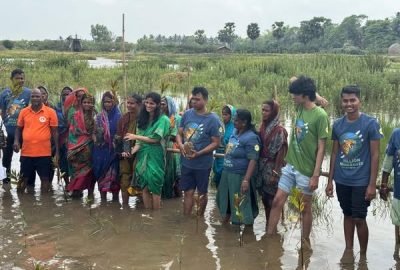
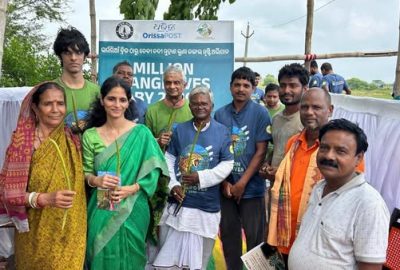
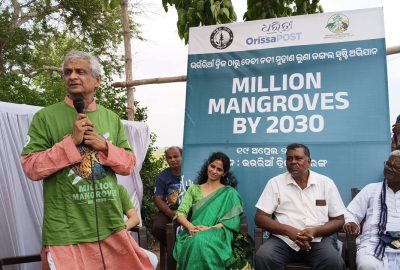
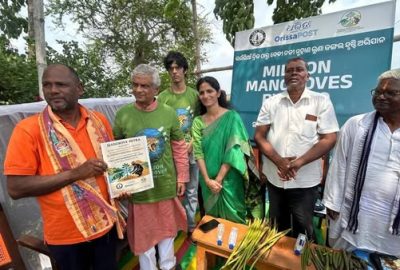
The OPSA Trust, led by Soumya Ranjan Biswal, launched the visionary Million Mangroves by 2030 initiative to protect and restore Odisha’s coastal ecosystems. The launch event, held in Astaranga, was flagged off by Editor Tathagata Satpathy and CEO Adyasha Satpathy of Dharitri and Orissa POST.
As part of their support, Dharitri pledged ₹1 lakh toward the cause, reinforcing their commitment to environmental restoration and climate resilience. This partnership reflects a united effort to safeguard vital mangrove habitats, which serve as natural barriers against climate impacts and support rich biodiversity.




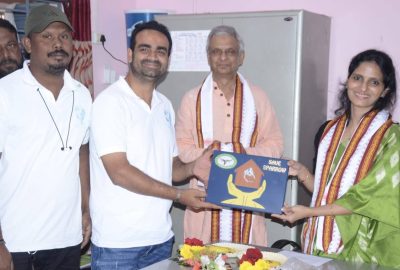
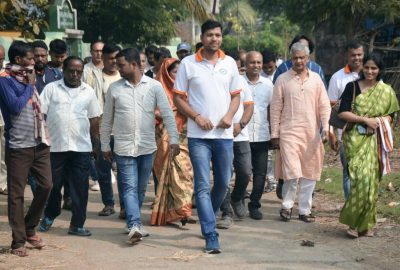

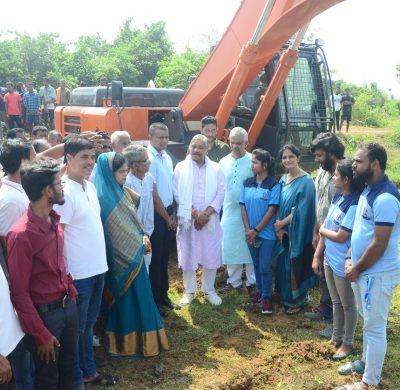
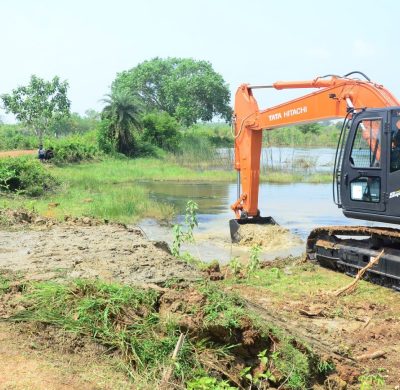
As part of an ongoing effort to revive Odisha’s degraded water bodies, the Dharitri and Environmentalist Foundation of India launched a large-scale restoration initiative, beginning with Haridamda Lake in Khordha.
Once a vital resource for local communities, the lake had suffered from pollution, siltation, and ecological decline. The restoration work included desilting, removal of invasive species, replanting of native vegetation, and shoreline strengthening to restore the lake’s natural ecosystem and biodiversity.
Beyond the physical revival, the project also prioritized community engagement—through awareness campaigns, school outreach, and local clean-up drives—to build lasting environmental stewardship. This initiative reflects a holistic approach to climate resilience, blending ecological restoration with grassroots participation to protect Odisha’s natural heritage.